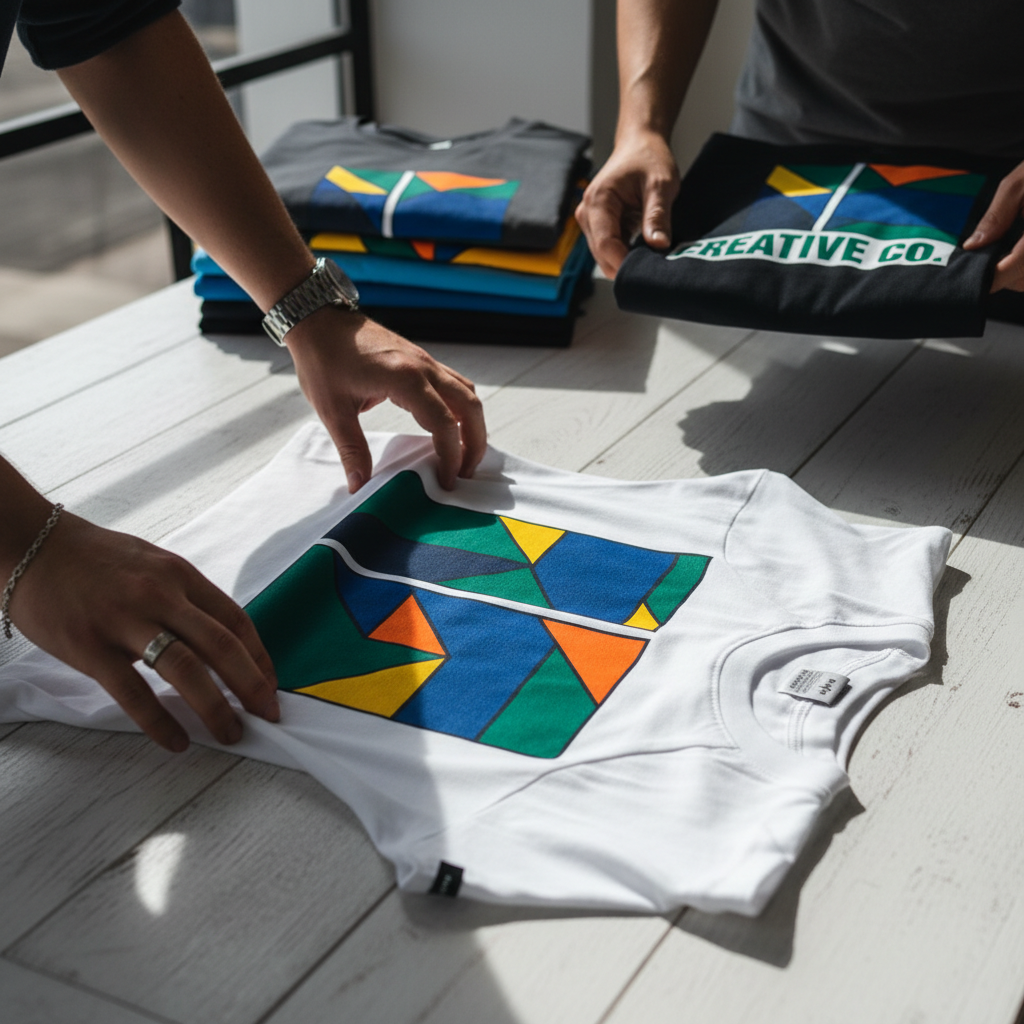
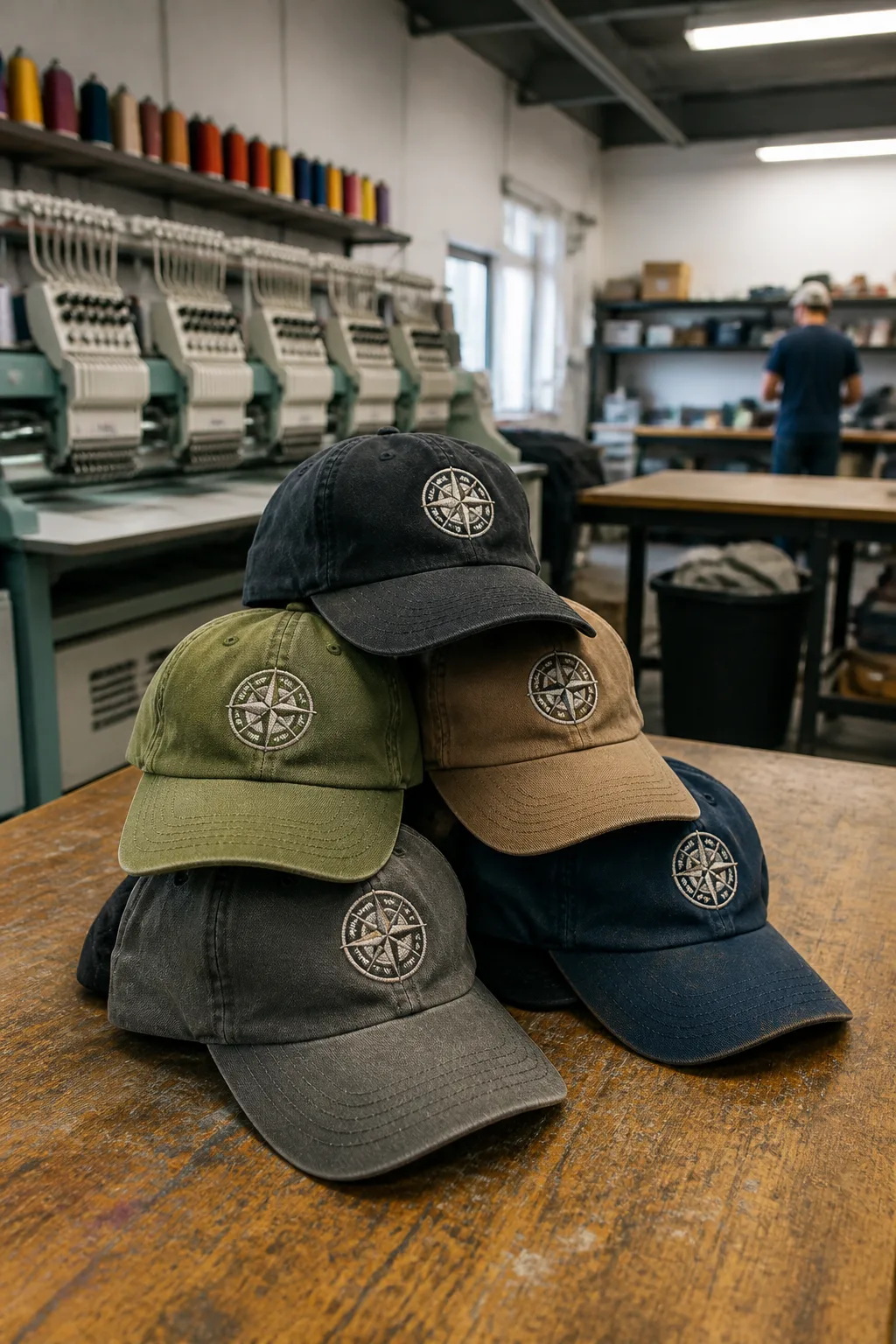
Custom DTF transfers no minimum allow you to order professional quality apparel prints in any quantity, including single items, without the requirement for large bulk batches. This process involves printing designs onto a specialized film and transferring them to fabric using heat and pressure; it provides a cost effective way for creators to produce durable, high resolution garments.
Ordering custom apparel often feels like a balancing act between quality and quantity. For small businesses in Arkansas and beyond, the traditional barrier has always been the dreaded minimum order requirement. You want a professional finish for a one-off prototype or a small batch of staff shirts, yet you are forced to pay for inventory you do not need. This is where custom DTF transfers change the game. By eliminating minimums, you gain the freedom to scale at your own pace without sacrificing the vibrant, durable detail that professional gear demands. In this guide, we will break down why DTF is outperforming older methods like screen printing for small runs. We will also walk you through mastering gang sheets, preparing your artwork for crisp results, and the exact heat press settings needed for a finish that survives the toughest work week.
What are DTF Transfers and Why are They Taking Over Arkansas?
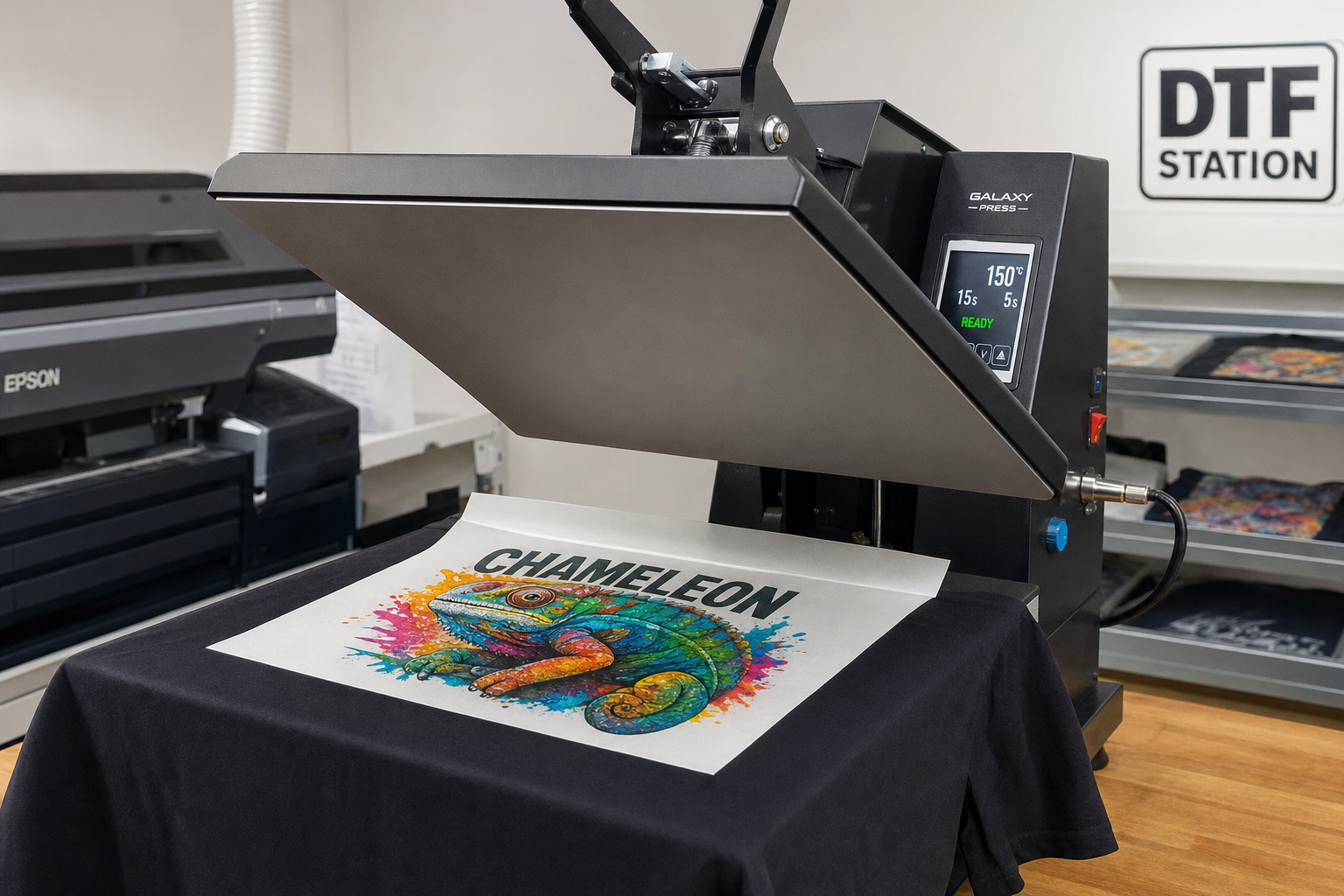
Direct to Film (DTF) is a straightforward process that has changed how we handle custom apparel services. Instead of pushing ink through a mesh screen directly onto a shirt, we print your design onto a specialized film. We apply a white underbase to keep colors vibrant on dark fabrics, then coat the print in a heat-activated adhesive powder. Once cured, that film is heat-pressed onto the garment, bonding the ink directly into the fibers.
Traditional screen printing is the standard for bulk, but it requires a separate physical screen for every color in your logo. That setup time makes small orders expensive and complex. DTF skips the screens entirely, allowing for full-color photography, fine gradients, and tiny details that a screen might struggle to hold. It works on cotton, polyester, and even tough blends without needing the pre-treatment chemicals often used in other digital printing methods.
For local Arkansas contractors and small businesses, this is the goldilocks solution. It is significantly more durable than the heat-transfer vinyl you might find at a hobby shop, which tends to crack and peel after a few washes. At the same time, it is far more versatile than traditional printing for small runs. Because we offer custom DTF transfers no minimum, you can get professional gear for a single new hire or a dozen shirts for a local crew without paying for setup fees you don't need. When you talk to the makers at our workshop, you get a straight answer on which method fits your project best.
The Power of Custom DTF Transfers with No Minimum Requirements
Most large-scale print shops operate on a volume-first model. To make their overhead work, they often demand minimum orders of 24, 48, or even 100 pieces. This rigid corporate structure effectively locks out the person who just wants a custom birthday shirt for their kid or the local contractor who just hired their first employee and needs three sets of work gear. At Southbound Supply Co, we believe that professional quality shouldn't be reserved for the big players.
Offering custom DTF transfers no minimum is a core part of how we operate in Arkansas. Because DTF is a digital-to-film process, we do not have to burn screens or spend hours on manual setup for every color in your logo. This efficiency allows us to provide a single transfer or a small batch of five without charging a fortune in setup fees. You get the same crisp, durable finish on a one-off project that a national brand gets on a thousand-piece run.
Our small-batch approach provides accessible custom apparel services to our neighbors. If you need a single replacement hoodie because your favorite one got snagged on a job site, or if you want to test a new logo design before committing to a full crew uniform, you can talk to the makers directly. We handle the technical side so you can focus on getting the gear you need, exactly when you need it. You aren't forced into a bulk order that gathers dust in a closet; you simply pay for what you use. This flexibility is what separates a local workshop from a corporate fulfillment center.
DTF vs DTG vs Screen Printing: Which Should You Choose?
Choosing the right method for your gear depends on your design complexity and your total quantity. A common question we hear is whether DTG (Direct to Garment) is cheaper than DTF. In most professional settings, DTG ends up being the more expensive option for small runs. The machinery requires constant maintenance and specialized pre-treatment chemicals that drive up the per-shirt cost. Beyond price, DTG often struggles with vibrancy on dark hoodies or black tees. Because DTG ink is absorbed directly into the fibers, the colors can look muted or muddy. DTF transfers solve this by using a solid white underbase that keeps colors bright and sharp regardless of the fabric color.
When comparing DTF to traditional screen printing, the choice comes down to volume and detail. Screen printing remains the industry standard for bulk orders of simple designs. However, it falls short when your logo features complex gradients, fine lines, or a dozen different colors. Each color requires a new screen, which drives up the price and setup time. Our custom DTF transfers no minimum model allows us to handle those high-detail logos without the massive setup costs. You get photographic quality on a single shirt, something screen printing simply cannot offer economically.
Method | Best For | Color Quality | Durability |
|---|---|---|---|
DTF Transfers | Small to mid-sized runs, complex logos | High vibrancy on all colors | High (built for trades) |
Screen Printing | Large bulk orders (50+), simple logos | Solid, bold colors | Industrial Strength |
DTG | One-off photorealistic prints | Muted on dark fabrics | Moderate |
Durability is where we draw the line for our custom apparel services. Many shops use heat-press vinyl for small orders, but vinyl is essentially a plastic sticker that eventually cracks or peels away from the fabric after a few trips through the dryer. Southbound gear is built for the job site. Our DTF transfers bond into the fibers, meaning they flex with the garment and hold their integrity. If you are unsure which path makes sense for your project, talk to the makers at our Prairie Grove shop for a practical recommendation based on your specific artwork and budget.
The Secret to a Pro Finish: Gang Sheets Explained simply
If you are browsing for custom apparel services, you will likely run into the term gang sheet. It sounds like industry jargon, but the concept is simple: it is just a way to fit as many designs as possible onto a single piece of transfer film to maximize your budget. Instead of paying for individual prints, you are essentially renting space on the film.
To get the most out of your order, think of the sheet like a puzzle. If you have a large logo for the back of a hoodie, you naturally have empty space around the edges. We recommend filling those gaps with smaller designs like hat patches, chest hits, or sleeve logos. You can mix and match different artworks on the same sheet, which is a major advantage of our custom DTF transfers no minimum approach. There is no extra charge for using five different logos on one sheet versus repeating the same one.
When you talk to the makers at our Arkansas shop, we can help you figure out the best layout. A common setup involves placing two full sized chest prints side by side, then tucking smaller tag or sleeve designs into the remaining vertical columns. This strategy ensures you aren't paying for wasted film and walk away with more gear for your dollar.
How to Prepare Your Artwork for Crisp Stitching and Printing
Getting the most out of your layout requires starting with clean, high-quality files. Because DTF printing captures extreme detail, any blurriness or noise in your artwork will show up on the final garment. We recommend all files be submitted at 300 DPI (dots per inch) at the actual size you want them printed. If you pull a small, low-resolution image off a social media profile, it will likely look pixelated or fuzzy when scaled up for a hoodie back.
A common mistake is submitting artwork with a solid background. If your logo has a white or black box around it in the digital file, that box will print exactly as it appears. Ensure your files have a transparent background, typically saved as a PNG or a vector file like an SVG or PDF. When you talk to the makers at our Prairie Grove studio, we check these details to ensure your custom DTF transfers no minimum order looks professional from the start.
Artwork Requirement | Specification | Result |
|---|---|---|
Resolution | 300 DPI | Sharp, crisp edges without pixelation |
Background | Transparent (No solid boxes) | Only the logo prints on the fabric |
Color Mode | CMYK Preferred | Accurate color reproduction |
File Type | PNG, PDF, or Vector | High-fidelity detail retention |
We provide digital mockups for every order before we hit the print button. This means you do not need to be a graphic design expert to get a professional result. We review the placement and scale to ensure what you see on the screen is exactly what you get on the shirt. This step is a standard part of our custom apparel services, giving you the final say on the design before it becomes a permanent part of your gear.
Applying Your Transfers: Time, Temperature, and Pressure Tips
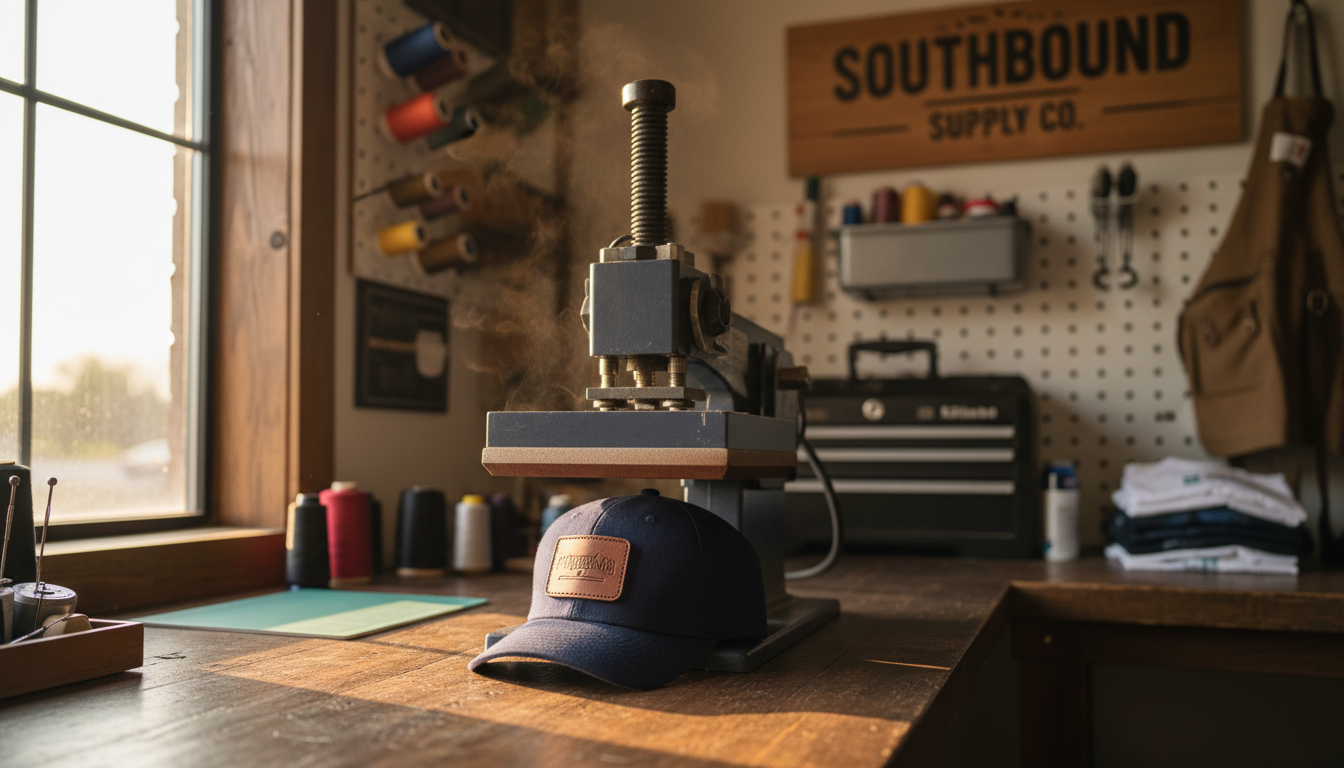
Once your artwork is finalized and the prints are in your hands, the success of the garment comes down to the application. We get asked about dtf transfers time and temp often. For most standard cotton and poly-blend garments, you should set your heat press between 300 and 320 degrees Fahrenheit. Press the design for 12 to 15 seconds using heavy pressure. Pressure is the most overlooked variable; if you do not press hard enough, the adhesive will not fully bite into the fabric.
Application Variable | Recommended Setting |
|---|---|
Temperature | 300°F - 320°F |
Time (Initial Press) | 12 - 15 Seconds |
Pressure | Heavy / Firm |
Second Press | 5 - 10 Seconds with Teflon |
While you can technically attempt this with a home iron, we do not recommend it for professional gear. An iron cannot provide the consistent heat or the high, even pressure required to guarantee Southbound quality. If you want gear that survives a sixty-hour work week, a dedicated heat press is the tool for the job.
For a truly professional finish, perform a second press. After you peel the film, place a Teflon sheet or a piece of parchment paper over the design and press again for 5 to 10 seconds. This step drives the ink deeper into the fabric fibers, increasing the longevity of our custom apparel services. If you have questions about specific fabrics, talk to the makers at our shop to ensure your custom DTF transfers no minimum order is applied correctly every time.
Durability and Care: Will it Last through the Work Week?
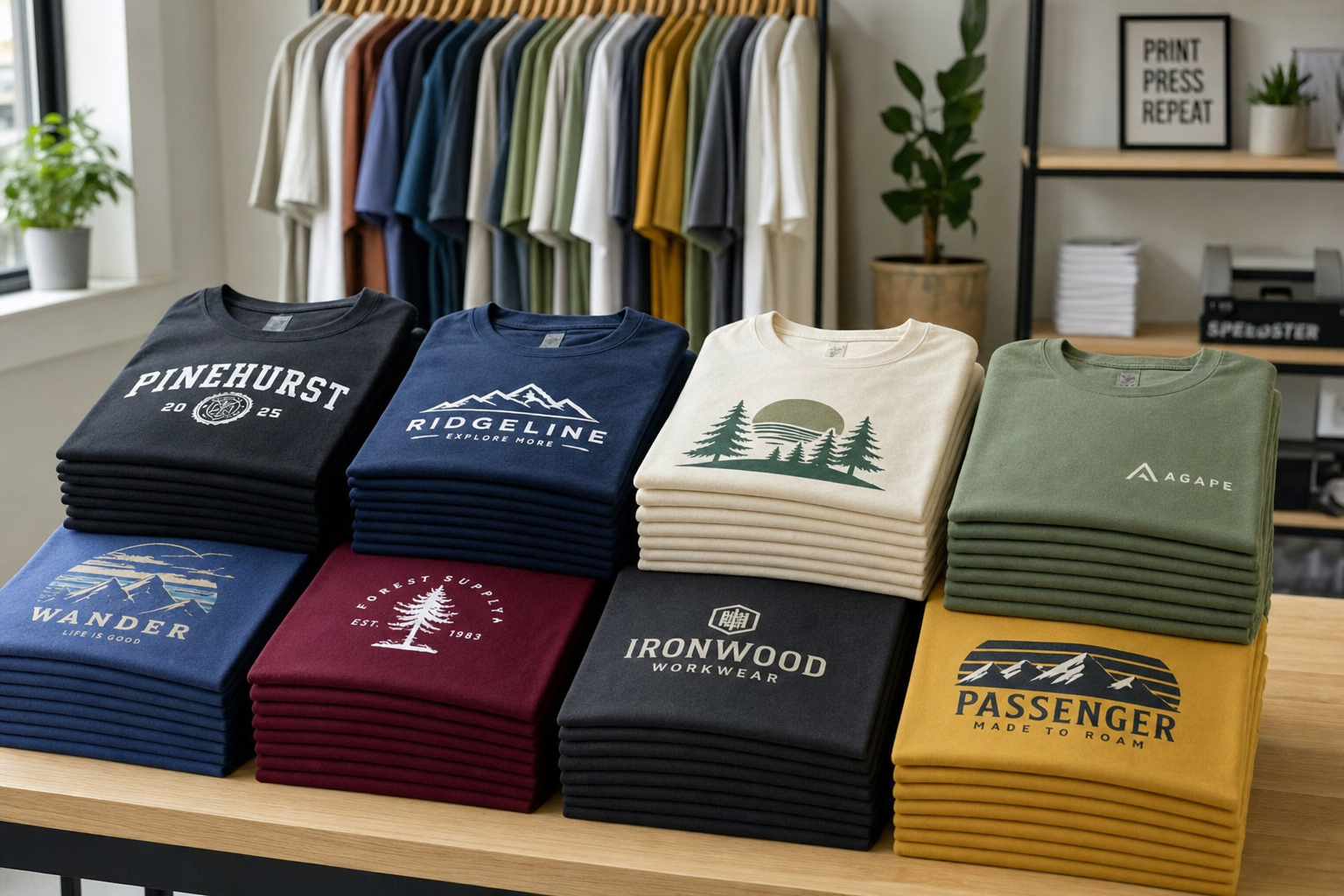
Southbound gear is made for folks who get their hands dirty. We know that a shirt that looks good on the hanger doesn't mean much if the logo peels off after two shifts on a job site in Prairie Grove. High quality custom DTF transfers no minimum are rated for 50 or more washes; in many cases, the print will outlast the fabric of the shirt itself. Unlike the thin vinyl found at hobby shops, these transfers are engineered to flex and breathe without cracking under pressure.
To keep your gear looking crisp month after month, follow a simple care routine. Always wash your apparel inside out to protect the print surface from the agitator. Use cold water and avoid harsh bleaches or fabric softeners that can break down the adhesive bond over time. When it comes to drying, low heat is the best choice, though air drying is the gold standard for longevity. Extreme heat is the enemy of any professional print. If you have questions about specific garment blends or heavy duty cleaning, talk to the makers at our workshop. We provide custom apparel services designed for the long haul, ensuring your logo stays as rugged as the person wearing it.